Compare the best digital marketing tools for small businesses in 2026. Increase efficiency, track leads, and build your online presence.
Running a small business requires wearing many hats. From customer service and product development to accounting and marketing, resources are often limited. To compete with larger brands, small businesses need to work efficiently. Utilizing the right digital marketing tools can automate tasks, track campaign performance, and help grow your business without breaking the bank.
Building an Effective Marketing Stack
An effective marketing stack doesn't need to be expensive or complicated. Instead, focus on a few key tools that handle essential tasks: email marketing, social media management, SEO, and link management. Let's explore the core tools every small business should consider:
1. Email Marketing and Automation
Email marketing remains one of the highest-ROI channels for small businesses. Tools like Mailchimp or ConvertKit allow you to build an email list, send newsletters, and automate welcome sequences for new subscribers. This helps keep your brand top-of-mind and drives repeat sales.
2. Social Media Scheduling
Consistency is key on social media. Using scheduling tools like Buffer or Later allows you to plan and queue your posts in advance, saving time and keeping your accounts active without daily manual posting.
3. Search Engine Optimization (SEO)
To drive organic traffic to your website, you need to target the terms your customers are searching for. Tools like Ubersuggest or Ahrefs help you identify relevant keywords, monitor your rankings, and analyze competitor strategies.
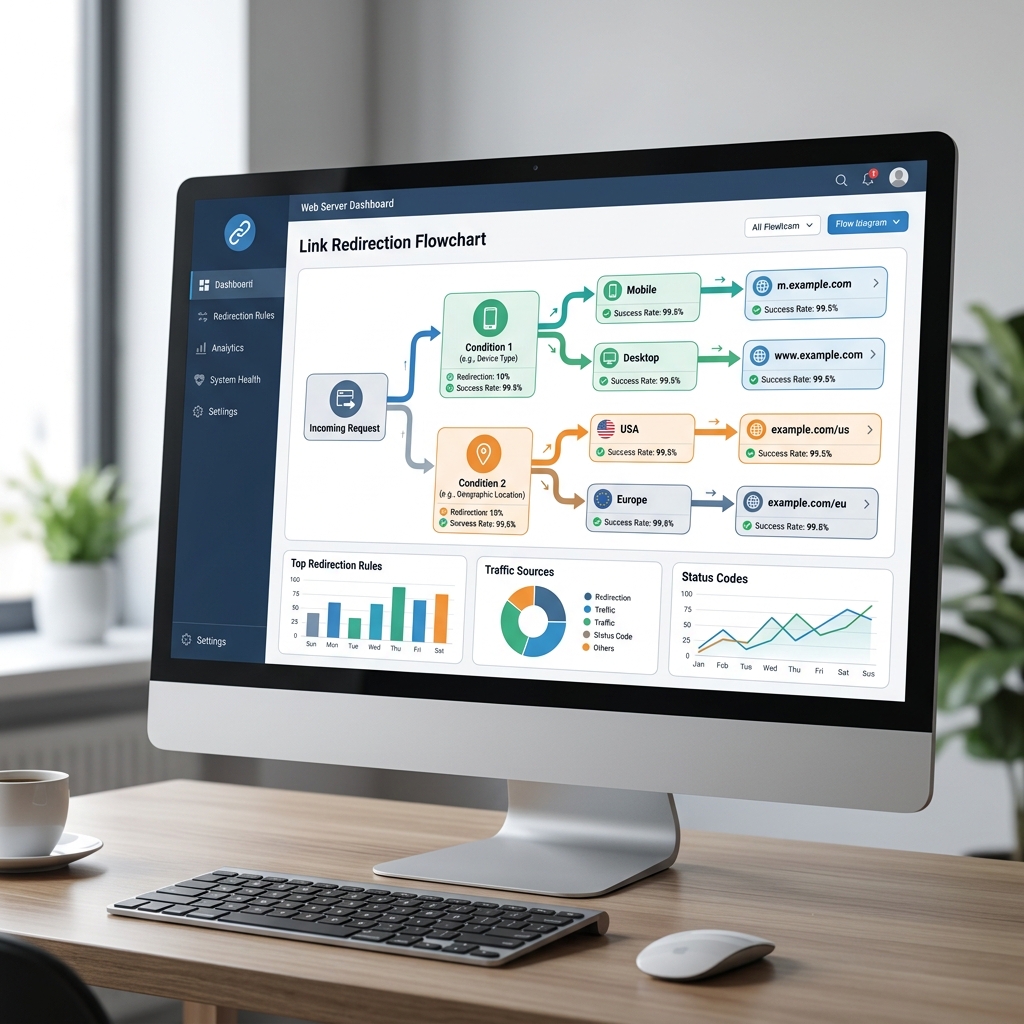
4. Link Management and Analytics (JKZ Network)
Every campaign relies on links to drive traffic to landing pages, products, or social channels. A link management tool like JKZ Network is essential for organizing, branding, and tracking these connections. Instead of using multiple platforms, JKZ Network combines URL shortening, custom domains, Link in Bio pages, and dynamic QR codes into a single dashboard, simplifying your marketing stack and reducing costs.
Why Tool Integration Matters
Using too many disconnected tools can lead to fragmented data and wasted subscription costs. Integrating your tools—such as using JKZ Network to shorten and track links shared via Buffer and Mailchimp—allows you to compile all your click analytics in one central location, making it easier to measure campaign ROI.
Common Tool Adoption Mistakes
Avoid these common pitfalls when building your marketing stack:
- Overpaying for Enterprise Features: Many small businesses buy expensive software with features they don't need. Start with free or basic plans, and upgrade only as your business grows.
- Ignoring Analytics: Simply setting up tools without reviewing the performance data is a missed opportunity. Make it a habit to check your dashboards weekly to identify what is working.
Conclusion and Next Steps
Choosing the right digital marketing tools can save time, improve efficiency, and provide the insights needed to scale your business. By focusing on a few integrated platforms, you can build a marketing engine that supports your growth.
Ready to streamline your link management? Sign up for JKZ Network today to start branding and tracking your links. For tips on building your first campaign funnel, read our guide on How to Build a Marketing Funnel with Short Links and Bio Pages.