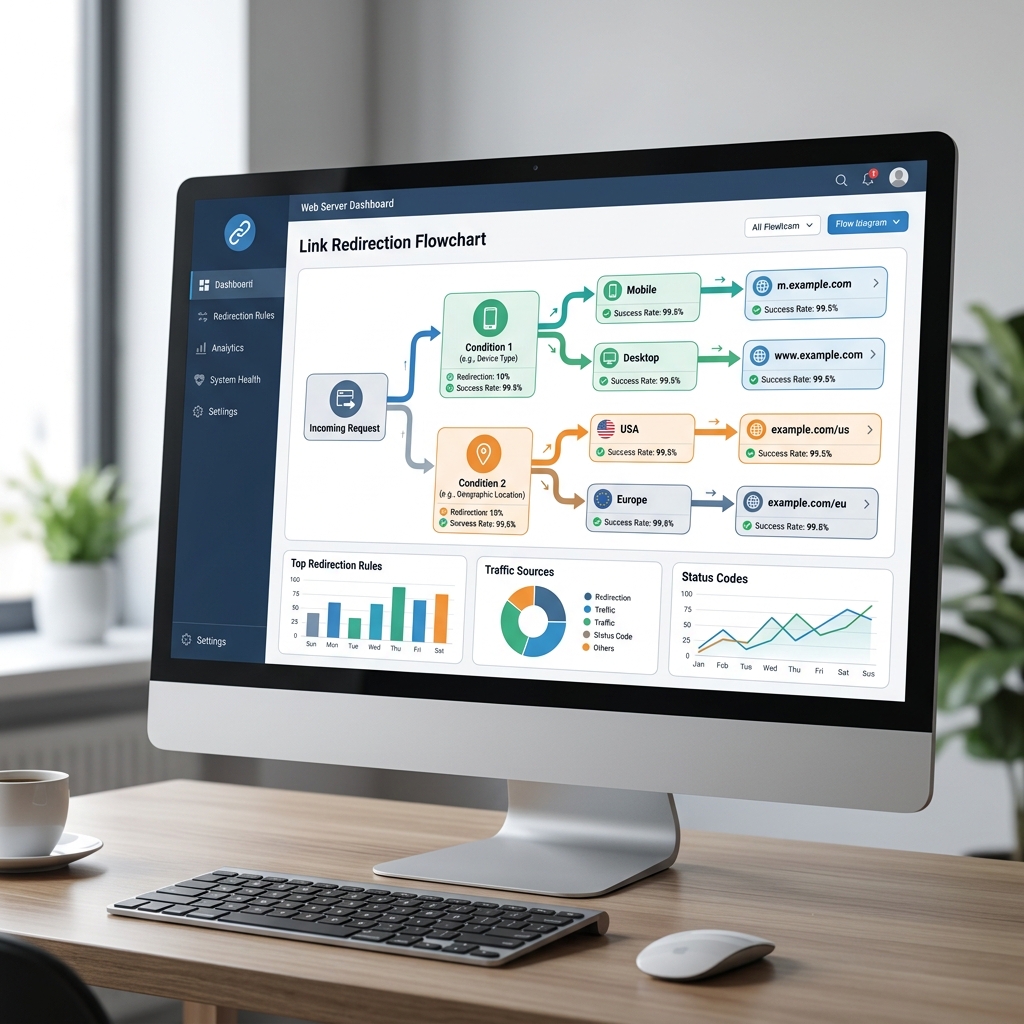
Learn how URL shorteners work, how they redirect users from a short link to a long URL, and why they are essential for modern digital branding.
In the modern digital landscape, sharing information quickly and efficiently is paramount. Whether you are sending a link in a text message, sharing a resource on social media, or running a large-scale advertising campaign, the format of your links matters. This is where URL shorteners come in. But what exactly is a URL shortener, and how does it work behind the scenes?
Understanding the Anatomy of a URL Shortener
At its core, a URL shortener is a digital tool that translates a long, complex web address into a shorter, more manageable link. For example, a link containing UTM parameters and database IDs like https://example.com/products/category-a/item-12345?utm_source=facebook&utm_medium=cpc&utm_campaign=summer_sale can be transformed into something clean and simple, such as https://jkz.gr/summer26.
While the visual reduction is the most obvious benefit, a URL shortener is not just a cosmetic tool. It acts as an active gateway between the user who clicks the link and the destination server. By routing traffic through a centralized short link service, businesses and creators can collect valuable analytics, manage redirection behavior dynamically, and protect their brand identity.
How URL Shortening Works: The Technical Process
From a user perspective, the process is instantaneous. You click a short link, and a second later, you land on the destination page. However, several steps occur in that fraction of a second:
1. The Creation and Database Mapping
When you paste a long URL into a shortener like JKZ Network, the system generates a unique key (a combination of letters and numbers, often called a hash or alias) and associates it with the long URL in a relational database. For instance, the system might generate the key aB8d3 for your target destination. The database now has a row mapping aB8d3 to your long URL.
2. The Request and Domain Lookup
When a user clicks the shortened link, their browser sends an HTTP request to the shortener's domain name system (DNS) server. The browser is looking to load the page associated with the short URL. The request hits the shortener's web servers.
3. HTTP Status Codes: The Redirection
The web server receives the key (e.g., aB8d3), looks it up in the database, and identifies the corresponding long destination URL. Instead of serving page content, the server issues an HTTP redirect response. In most cases, this is a 301 Moved Permanently or a 302 Found redirect. This response tells the user's browser to look for the content at the long destination URL.
4. Destination Loading and Tracking
The browser automatically follows the redirect instructions and loads the final destination URL. Simultaneously, the URL shortener logs metadata about the request, such as the timestamp, geographic location, device type, and referring website. This information forms the basis of link analytics.
Why You Should Use a URL Shortener
Using a URL shortener offers numerous strategic benefits for businesses, digital marketers, and content creators:
- Improved Aesthetics: Long links look cluttered, untrustworthy, and spammy. Short links are neat and keep the focus on your copy.
- Character Savings: Platforms like Twitter/X have strict character limits. Short URLs leave more room for your messaging.
- Link Management: With tools like JKZ Network, you can edit the destination of a short link even after it has been published. This prevents broken links if your destination URL changes.
- In-Depth Tracking: You can see exactly how many people clicked your link, where they came from, and what device they used.
- Branding Opportunities: Custom domains allow you to replace generic short links with branded links (e.g.,
yourbrand.link/deal), boosting trust and click-through rates.
Real-World Examples of URL Shortening in Action
Let's look at some practical scenarios where URL shorteners make a huge difference:
- SMS Marketing: SMS messages are billed by character counts. A long URL can easily break your message into multiple segments, increasing costs. A short link keeps the message concise and cheap.
- Print and Offline Campaigns: Typing a long URL from a billboard, flyer, or business card is frustrating. A simple, short branded URL or an associated QR code makes it effortless for people to visit your site.
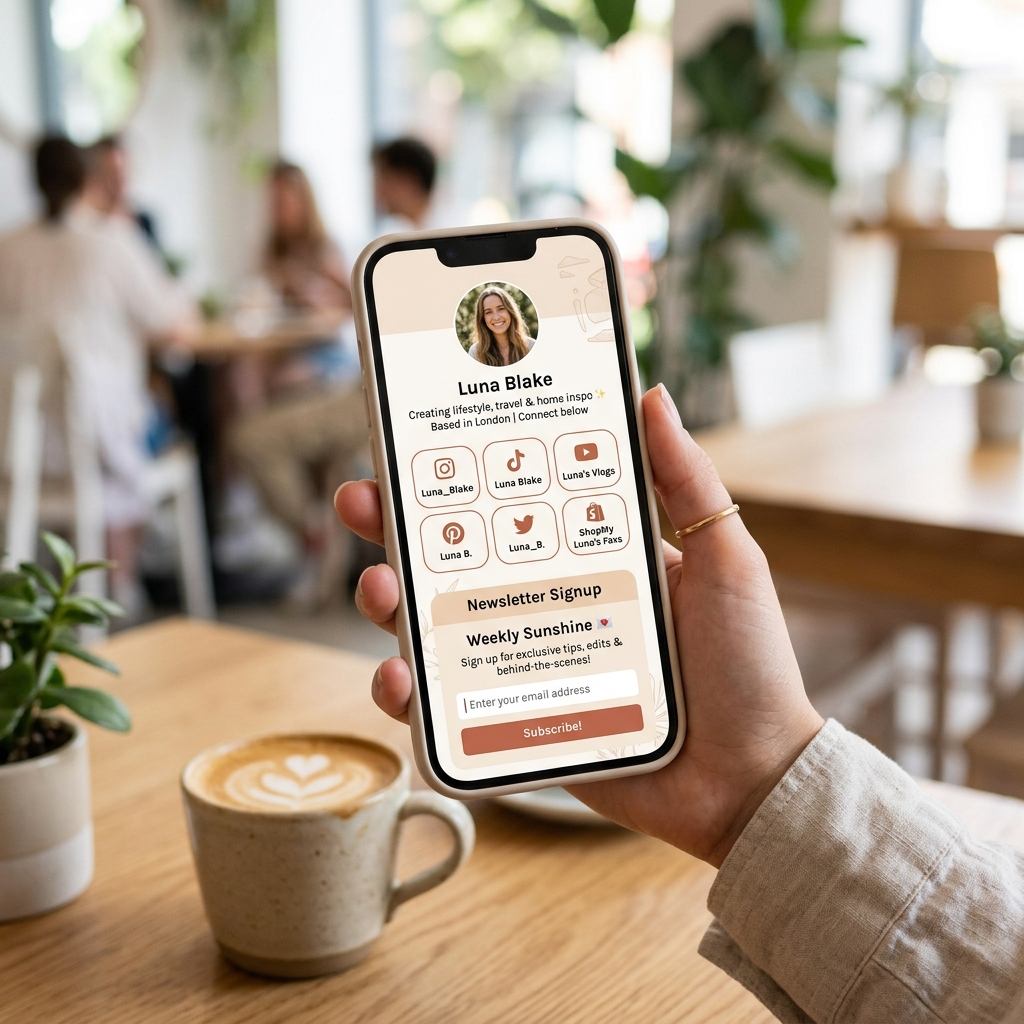
- Social Media Profiles: Instagram and TikTok only give you one link in your bio. A URL shortener combined with a Link in Bio page allows you to house multiple resources under one clean URL.
Common Mistakes to Avoid
While URL shorteners are incredibly useful, there are some common pitfalls to watch out for:
- Using Generic Shorteners for Critical Links: Public, free generic shorteners are often abused by spammers. If you use them, your links might trigger spam filters or get blocked by social networks. Use a trusted platform like JKZ Network, and preferably a custom branded domain.
- Not Customizing the Slug: Leaving a random string of characters (like
jkz.gr/aB8d3) is a missed opportunity. Customize the slug (e.g.,jkz.gr/sale) so users know what to expect when they click. - Ignoring Analytics: Simply shortening links without checking the performance data means you are missing out on vital customer insights. Always check your dashboard to see which campaigns drive the most engagement.
Best Practices for Link Management
To maximize the impact of your shortened URLs, implement these best practices:
- Connect a Custom Domain: Use your own domain name (e.g.,
links.mybrand.com) to build trust. Users are more likely to click links that bear your brand name. - Incorporate UTM Parameters: Before shortening your link, add UTM parameters to track specific sources, mediums, and campaigns in Google Analytics. JKZ Network will preserve these parameters during redirection.
- Keep Slugs Readable and Short: Use hyphenated, clear words for your slugs. Avoid uppercase letters if possible to prevent typos, as slugs can be case-sensitive.
Conclusion and Next Steps
URL shorteners are powerful tools that go far developer-level redirection. They are essential components of modern branding, marketing, and data tracking. By transforming messy links into neat, branded gateways, you can build trust, boost click-through rates, and gain valuable customer insights.
Ready to level up your link strategy? Create a free account on JKZ Network today to start shortening, branding, and tracking your links. You can also explore our Link Analytics Guide to learn how to make the most of your click data.