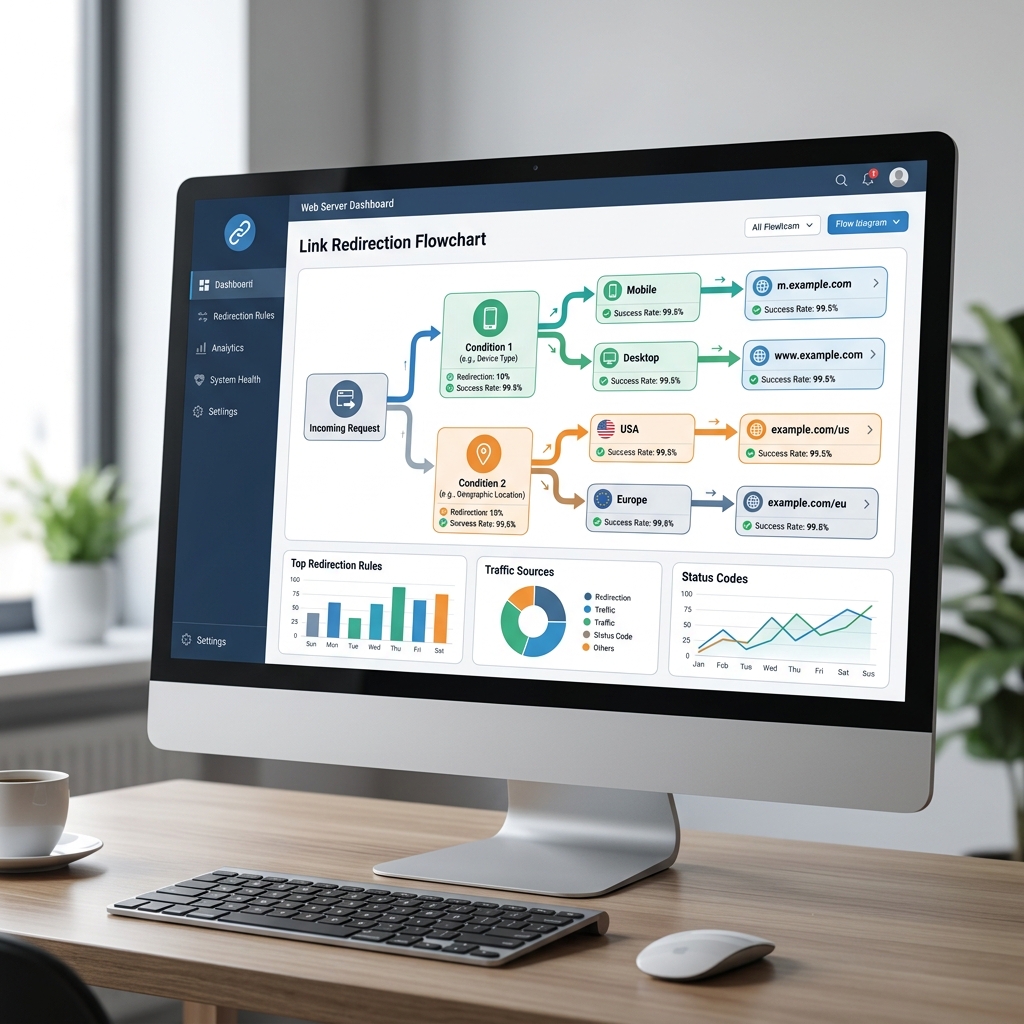

Learn what link analytics are, why click tracking matters, and how to analyze referral traffic, user geography, and devices with JKZ Network.
In digital marketing, making decisions without data is like driving in the dark. To optimize your campaigns and get the best return on investment, you need to measure how your audience interacts with your content. This starts with link analytics. Let's explore what link analytics is, the key data points it tracks, and why it is essential for growing your business.
What is Link Analytics?
Link analytics is the process of collecting, measuring, and analyzing data generated when users click on your shortened or branded links. Every click carries valuable information about the user's behavior and origin. A link management platform like JKZ Network captures this data in real-time, organizing it into an easy-to-read dashboard.
Unlike basic page-view counters, link analytics tracks the entire redirection path, providing details on how traffic moves across different channels and devices before reaching your website.
Why Click Tracking is Essential
Tracking your links is critical for several key reasons:
- Accurate Attribution: Identify exactly which social post, email, or ad drove a customer to make a purchase.
- Budget Optimization: Focus your marketing spend on the platforms and campaigns that generate the most traffic and conversions, and stop spending money on channels that don't perform.
- Audience Insights: Understand your visitors' demographics and technology preferences, allowing you to tailor your content and landing pages to their needs.
Key Metrics Tracked by Link Analytics
A professional link tracking platform provides several layers of data:
- Total Clicks vs. Unique Clicks: Total clicks measures every click, including multiple clicks from the same user. Unique clicks filters out duplicates, showing the actual number of individual visitors who engaged with your link.
- Referral Channels: See where your traffic is coming from (e.g., direct traffic, Instagram, YouTube, or specific external blogs).
- Geographic Location: Track the country, region, and city of your visitors. This is essential for localized marketing and planning product distribution.
- Device and OS Data: Monitor whether users are on mobile, tablet, or desktop, and check their operating systems. This helps ensure your landing pages are optimized for their screens.
How to Use This Data to Optimize Campaigns
Once you begin collecting link data, use it to refine your marketing strategies:
- Refine Ad Targeting: If your link data shows that 80% of your clicks are coming from mobile devices in the UK, adjust your paid ad targeting to focus on that demographic.
- Optimize Email Scheduling: Analyze the days and times when your email links receive the most clicks, and schedule your future newsletters to send during those peak periods.
- A/B Test Copy: Share two different links in similar posts to see which copy style or call-to-action drives more clicks.
Conclusion and Next Steps
Link analytics provides the foundation for data-driven marketing. By understanding how your links perform and who is clicking them, you can make informed decisions that improve your campaign results and grow your business.
Ready to unlock your link data? Sign up for JKZ Network today to start shortening and tracking your links. For a step-by-step setup guide, read our article on How to Track Clicks, Referrers, Devices, and Countries.